





Home > Blog

Epidural shots seen as ineffective in treating lumbar spinal stenosis


In the past, individuals who experienced a pinched nerve in their spine, also known as lumbar spinal stenosis, have been prescribed epidural injections of steroids when a physical therapy regimen has been ineffective. According to the Mayo Clinic, spinal stenosis occurs during aging as the gaps between the spine narrow, which can put pressure on specific nerves or the cord itself, resulting in back pain, numbness and other discomfort. However, according to a recent study that appeared in the journal Spine, these treatments may have had less of an impact on a patient's recovery than previously thought.

Researchers examined a small sample of patients from a larger study, including 69 spine patients who had been receiving epidural injections, and compared them to another group of 207 individuals who were not receiving injections. The age group was a mix of men and women from ages 53 to 75, and the researchers followed each group for four years. It was found that there were no noticeable differences between the two groups in terms of reducing the severity of back pain and its associated symptoms.

According to lead author Kris Radcliff M.D. with the Rothman Institute at Thomas Jefferson University in Philadelphia, explained that while steroid injections could be beneficial for some patients, he also speculated that inserting these materials into an already crowded environment could cover up the pain without actually providing a real solution, reported the U.S. National Library of Medicine.

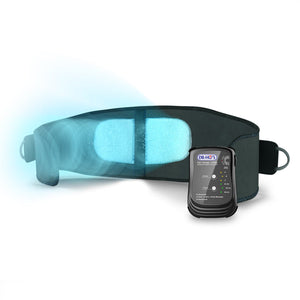
Ultimately, doctors believe that epidural injections can play an important role in delaying spinal surgery, but they shouldn't be relied on as a primary means of treating back pain. In addition to this traditional forms of treatment, spinal stenosis sufferers may also want to consult with their healthcare provider about utilizing a decompression belt for back pain and other drug-free back pain remedies that could dramatically reduce their symptoms. The air-powered belt gently expands to stretch and traction the muscles of the back, which decompresses spinal discs and can relieve a wide variety of chronic pain issues. 


Taking opioids for back pain could lead to a variety of health issues


Doctors may choose to prescribe opioids in order to treat individuals with chronic lower back pain as well as numerous other pain conditions. While most patients prescribed these medications are given low or moderate doses, a large portion of individuals receive significantly high levels of opioids to reduce their pain. Despite the apparent effectiveness of these treatments, a recent study illustrates that the negative consequences may outweigh the benefits for patients with chronic back pain.

According to a report published by investigators from Oregon Health and Sciences University, sizeable doses of opioids are linked to higher instances of mental health issues, which may lead to co-prescriptions for sedatives and the need for further healthcare services. The report is titled “Correlates of Higher-Dose Opioid Medication use for Lower Back Pain in Primary Care” and published in The Journal of Pain, the peer-review publication of the American Pain Society.

Opioid study findings
The researchers concluded that patients living with both chronic pain and comorbid psychiatric diagnoses have a much higher chance of being prescribed opioids by doctors than those without any mental health issues. Furthermore, the longer patients continue to take opioids for their pain symptoms, the more likely they are to have some form of psychiatric disorder.

This is not necessarily to say that opioids are directly responsible for greater mental health diagnoses for back pain patients. The study notes that past research has linked depression and frequent pain as co-contributing factors. As a result, people who are depressed may be more likely to have chronic pain while people with chronic pain have a greater chance of becoming depressed.

Past research into opioids for back pain
A 2007 study conducted by investigators at the Yale University School of Medicine looked into the effects of opioids on treating chronic back pain. Beyond immediate symptom relief, the researchers also considered the link between these prescriptions and addiction.

The Yale experts looked at a variety of articles that employed oral, topical and transdermal opioids for back pain. They found that opioid prescriptions tended to differentiate by setting, with a range of 3 percent to 66 percent likelihood. Effectiveness of these drugs in relieving pain was considered to be nonsignificant among patients. Additionally, the analysis showed substance abuse was common among those prescribed opioids. While patients tended to experience short-term pain reduction, long-term effects were not clear.

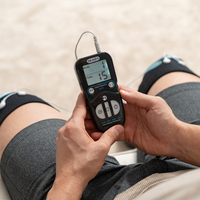
Because of these findings, people living with chronic back pain are choosing other non-drug options to relieve their pain.  Options include massage, physiotherapy, chiropractic and home based theraputic OTC products such as T.E.N.S therapy and spinal traction and support belts.

The next time you or someone you know has back pain, consider the many alternatives that are effective, affordable and most importantly, safe.


Tips for reducing back pain while sleeping


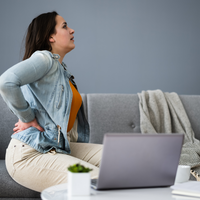
Living with frequent back pain can be a real chore. Not only does it leave you with a constant sensation of discomfort, but it can distract you from important responsibilities at work and home while also limiting activities you enjoy in your personal life. As if that wasn’t enough, chronic back issues can also make it difficult to get a good night of sleep.

If you find yourself tossing and turning between the covers due to regular back pain, you might want to think about using products like a stretch and support belt or other home healthcare devices during the day. But to help with those late-night aches and pains, here are a few tips to keep in mind about reducing back issues while sleeping.

Sleep with a pillow between your legs
According to The Mayo Clinic, one of the most popular bedtime positions is sleeping on your side. While this might be comfortable depending on your mattress, it can often lead to spine issues. This is because while sleeping on the side of your body, the upper leg doesn’t get the support it needs, leaving the knee and thigh to slide forward toward the mattress. As a result, the spine can become twisted. Luckily, placing a pillow between your legs while you sleep can be an easy fix for this back support problem.

Consider a new mattress
Unfortunately, sometimes the cause of your frequent lower back pains at night could be a bad mattress. WebMD notes that if you have the budget, investing in a new mattress with greater back support can work wonders on your chronic pain. Ideally, this purchase should keep your spine in a position similar to standing up straight with good posture. Looking for a mattress that is medium-firm to firm usually produces the best back relief, but you should test out a variety to find the one that fits you best.

Place a pillow under your pelvis
Many people find it difficult to fall asleep unless they’re sleeping on their stomach. However, this position can be particularly stressful for your back, according to the Mayo Clinic. If you favor sleeping on your abdomen, consider using a pillow to maintain the curvature of your spin. Placing a pillow under your stomach can relieve tension in your lower back. You can also help this process by not using a pillow for your head.


Study finds quitting cigarettes can reduce back pain


It is no secret that regular tobacco use can have a number of negative health consequences. In addition to increasing individuals’ risk of heart disease, lung disease, cancer and asthma, researchers have noted that smoking can lead to back pain. Continued use of tobacco may also increase the severity and scope of these spinal issues, particularly in the lower back.

Cigarettes and back pain
According to a recent study published in the Journal of Bone and Joint Surgery, quitting smoking can be the key to patients finding relief of frequent back pain symptoms. The report was conducted by investigators from the University of Rochester Department of Orthopedics and titled “Smoking Cessation Related to Improved Patient-Reported Pain Scores Following Spinal Care.”

The research indicated that during the course of eight-month treatment for severe spinal disorder, patients who stopped using tobacco products  had lower chronic pain levels than those who did not, including former smokers. Subjects who smoked had significantly higher ratings on the visual analog scale (VAS) pain ratings, which features worst, current and average weekly pain.

“We know that nicotine increases pain,” said study author Glenn Rechtine. “In this study, if you quit smoking during treatment, you got better. If you continued to smoke, there was statistically no improvement, regardless of the treatment you had. Smoking is bad for you. Basically, the likelihood to improve your care – surgical or non-surgical – was dramatically decreased if you are a smoker.”

Pain Specialist, Dr. Michael Ho also supports the studies findings. ” In all my years of treating back pain, I have always advised my patients to quit smoking.  I have found that patients that lived a healthier lifestyle and did not smoke, found recovery times and treatment effectiveness vastly improved.

Tobacco use in the U.S.
While tobacco use has been decreasing throughout the general population in the U.S., it remains a serious public health issue. The National Cancer Institute estimates that approximately 19 percent of adults ages 18 and older regularly smoked cigarettes in 2011. Additionally, about 16 percent of high school students use cigarettes, while another 7.3 percent used smokeless tobacco products.

Based on the University of Rochester study, individuals who smoke and are living with serious back pain should consider quitting cigarettes to alleviate their symptoms. Along with the use of therapies that reduce muscle tension such as spinal traction or T.E.N.S therapy, quitting smoking can have a drastic improvement on overall pain and the success of surgical recovery. That’s not to mention the general health benefits of reducing risk for cancer, lung disease and other potentially-fatal health conditions.


New Website Launch


My new website has been re-launched with a vibrant new look, new content, and new features. For your convenience, this new site now includes information on every DR-HO’S product,including my brand new line of vitamins, supplements and other great products such as the pain relief inflatable belt.
You will even find informative health articles on issues such as why detox is doctor recommended for better health and the importance of nutritional supplements. I will also be blogging on a regular basis, so please be sure to visit frequently for up-to-date news on human health, valuable health tips, notification of upcoming events, new product announcements, and much more.
In response to your requests, I will also begin re-issuing DR-HO’S monthly e-newsletter. If you are interested in receiving special offers and coupons, advanced notification of upcoming promotions and other exclusive news, please be sure to sign up.
I hope you enjoy your visit to my new website and find everything you are looking for. We want our new website to be everything you want it to be and would love to know your thoughts. If you have any suggestions for improvements, please email your suggestions to drho@drhonow.com.
Wishing you the best of health and happiness,
Dr. Michael Ho


Page 1 of 612345...Last »